Translate
Quick Answer
Quick Answer: The most common monsoon diseases in India are dengue, malaria, chikungunya, typhoid, leptospirosis, viral fever, cholera, hepatitis A, skin infections, and respiratory infections — most spread through mosquito bites or contaminated water, and are largely preventable with basic hygiene and mosquito control.
1. Dengue Fever
Spread by: Aedes mosquitoes breeding in stagnant clean water Key symptoms: High fever, severe body/joint pain, rash, headache behind the eyes Prevention: Empty stagnant water containers weekly, use mosquito nets and repellents, wear full-sleeved clothing
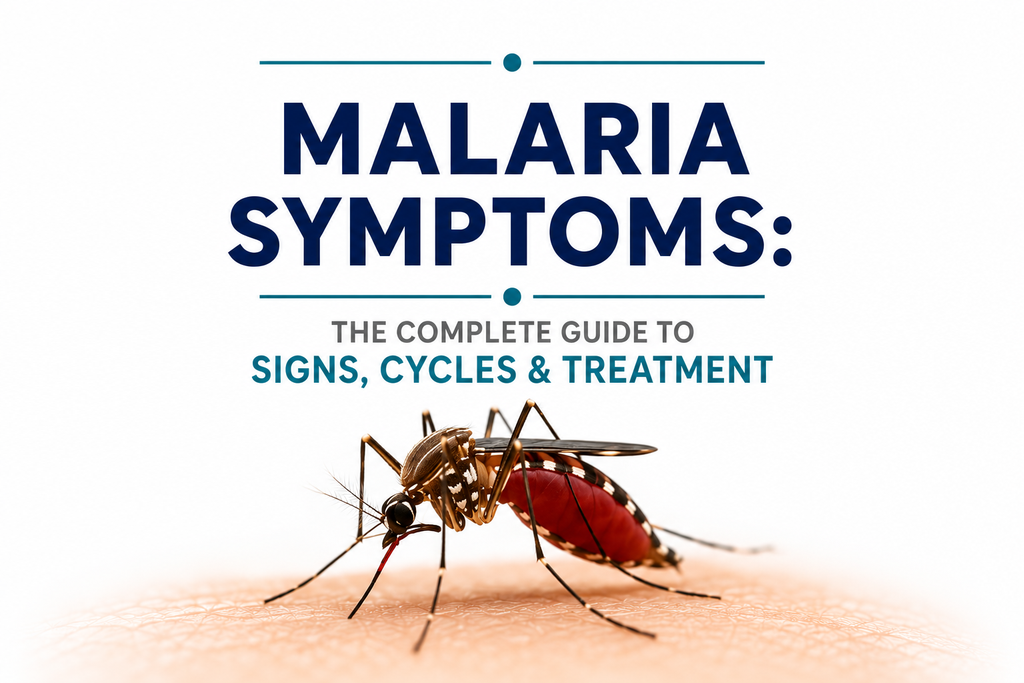
2. Malaria
Spread by: Anopheles mosquitoes biting mainly at dusk and night Key symptoms: Cyclical fever with chills and sweating, headache, fatigue Prevention: Sleep under mosquito nets, use window screens, eliminate stagnant water around homes
3. Chikungunya
Spread by: Aedes mosquitoes, same species as dengue Key symptoms: High fever, severe joint pain that can persist for weeks, rash Prevention: Same mosquito-control measures as dengue; joint pain can be managed with rest and doctor-advised medication
4. Typhoid Fever
Spread by: Contaminated food and water (Salmonella typhi) Key symptoms: Gradually rising fever, abdominal discomfort, weakness, loss of appetite Prevention: Drink boiled or filtered water, avoid street food with questionable hygiene, consider vaccination
5. Leptospirosis
Spread by: Contact with floodwater contaminated by animal urine Key symptoms: Fever, muscle pain (especially calves), red eyes; severe cases affect kidneys/liver Prevention: Avoid wading through floodwater, wear waterproof boots, wash thoroughly after exposure
6. Viral Fever (Common Flu-Like Illness)
Spread by: Various respiratory viruses, spread through droplets and contact Key symptoms: Mild-moderate fever, cough, cold, sore throat, body ache Prevention: Hand hygiene, avoiding close contact with sick individuals, adequate rest and nutrition
7. Cholera
Spread by: Contaminated water and food (Vibrio cholerae) Key symptoms: Sudden, severe watery diarrhea, vomiting, rapid dehydration Prevention: Drink only safe, treated water; avoid raw or improperly stored food; maintain strict hand hygiene
8. Hepatitis A
Spread by: Contaminated food and water (fecal-oral route) Key symptoms: Fatigue, nausea, jaundice, dark urine, abdominal discomfort Prevention: Safe drinking water, thorough handwashing, hepatitis A vaccination where recommended
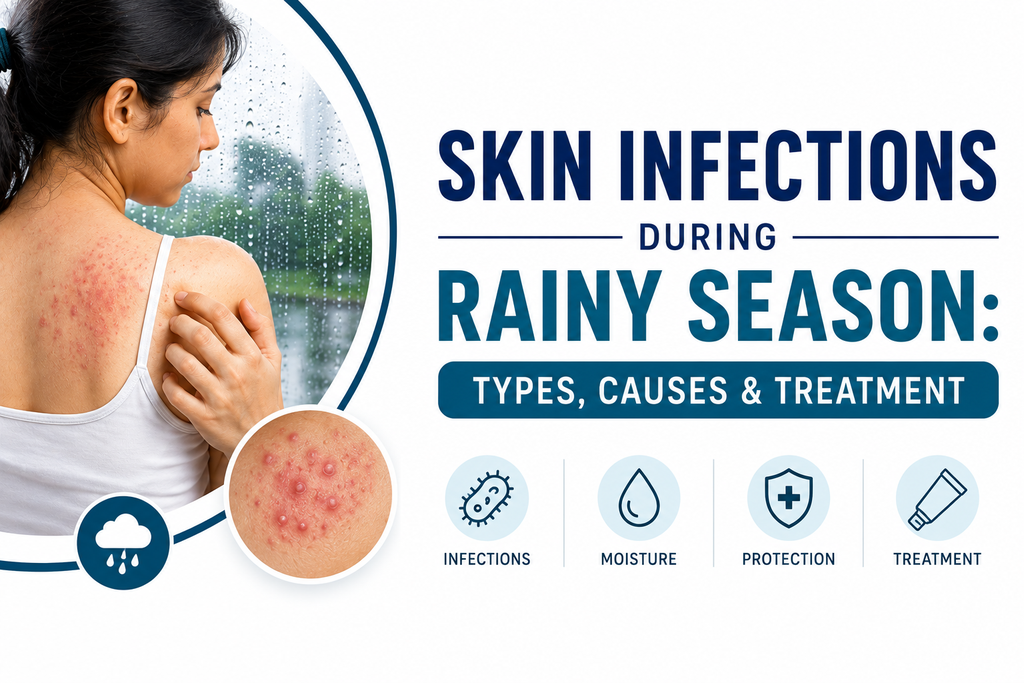
9. Skin Infections (Fungal & Bacterial)
Spread by: Prolonged dampness, humidity, and unhygienic wet clothing/footwear Key symptoms: Itching, redness, rashes, especially in skin folds and feet Prevention: Keep skin dry, avoid staying in wet clothes/shoes for long periods, use antifungal powder in humid weather
10. Respiratory Tract Infections
Spread by: Sudden temperature and humidity shifts, viral/bacterial spread Key symptoms: Cough, cold, sore throat, breathing discomfort in vulnerable individuals Prevention: Avoid getting drenched and staying in wet clothes, maintain good ventilation at home, manage asthma/allergies proactively
Comparison at a Glance
| Disease | Mode of Spread | Main Symptom Cue |
|---|---|---|
| Dengue | Mosquito (Aedes) | High fever + severe body pain |
| Malaria | Mosquito (Anopheles) | Cyclical fever with chills |
| Chikungunya | Mosquito (Aedes) | Fever + prolonged joint pain |
| Typhoid | Contaminated food/water | Gradually rising fever |
| Leptospirosis | Floodwater contact | Fever + calf pain + red eyes |
| Viral Fever | Airborne/contact | Mild fever + cold/cough |
| Cholera | Contaminated water/food | Sudden severe watery diarrhea |
| Hepatitis A | Contaminated food/water | Jaundice + fatigue |
| Skin Infections | Dampness/humidity | Itching, rash in skin folds |
| Respiratory Infections | Airborne/temperature shifts | Cough, cold, breathing discomfort |
General Monsoon Health Precautions
- Eliminate stagnant water around your home weekly
- Drink only boiled, filtered, or safely stored water
- Avoid street food during heavy monsoon weeks
- Keep skin and feet dry; change out of wet clothing promptly
- Wash hands frequently, especially before eating
- Keep your home well-ventilated to reduce dampness and mold
- Seek medical attention promptly for any fever lasting more than 48 hours
Frequently Asked Questions
Q: Why do so many diseases spike specifically during monsoon? A: Stagnant water creates mosquito breeding grounds, waterlogging contaminates drinking water sources, and high humidity supports bacterial and fungal growth — the combination sharply raises transmission risk for multiple diseases at once.
Q: Which monsoon disease is most dangerous if untreated? A: Several can become dangerous without treatment, but severe dengue, untreated typhoid (risk of intestinal perforation), and leptospirosis (risk of kidney/liver failure) carry particularly serious complication risks if diagnosis is delayed.
Q: Can children get all these diseases too? A: Yes, children are susceptible to all of these conditions and can sometimes deteriorate faster than adults, so prompt medical attention for fever or other symptoms is especially important in kids.
Q: Do monsoon diseases spread from person to person? A: Mosquito-borne diseases like dengue, malaria, and chikungunya don't spread person-to-person directly; waterborne diseases like cholera, typhoid, and hepatitis A can spread indirectly through contaminated food and water if hygiene is poor.
Q: How effective is home mosquito control in preventing these diseases? A: Very effective — since dengue, malaria, and chikungunya all depend on mosquito bites, consistently eliminating stagnant water and using nets/repellents can meaningfully reduce your household's risk.
Q: Should I get any vaccines before monsoon season? A: Vaccines exist for typhoid and hepatitis A, and are worth discussing with your doctor, especially for children, frequent travelers, and those in areas with a history of outbreaks.
Conclusion
Monsoon in India is a season of predictable health risks, but nearly all of them are preventable with consistent habits: safe water, mosquito control, dry skin and clothing, and quick attention to any fever that doesn't resolve within a couple of days. Keep this list handy through the season — recognizing the early signs of each condition is often the difference between a quick recovery and a serious complication.